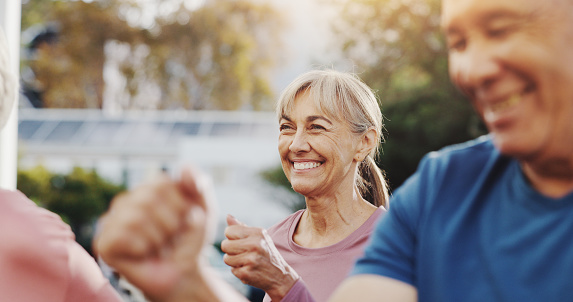
If you have high blood pressure, your doctor may recommend exercise as one way to lower it. Regular exercise is one of the most effective and natural ways to lower your blood pressure while also supporting overall heart health. When the body moves, the heart becomes stronger and more efficient at pumping blood, which lessens the force placed on artery walls. Exercise also helps arteries stay flexible, improves circulation, and encourages better oxygen flow throughout the body—all of which help maintain healthier blood pressure levels.
In addition to its direct effects on the cardiovascular system, exercise also helps with weight management and stress reduction, two key factors in controlling hypertension. Physical activity releases endorphins that improve mood and decrease tension, while also helping to regulate blood sugar and reduce inflammation. Over time, these benefits work together to keep blood pressure in a safer range.
The best approach for older adults is to combine different types of exercise. Aerobic activities such as walking, swimming, or cycling are especially effective for improving heart health. Strength training with light weights or resistance bands two to three times a week helps maintain muscle and supports metabolism. Flexibility and balance exercises, like yoga or tai chi, enhance mobility and promote relaxation, contributing indirectly to lower blood pressure.
For safety, it’s important for seniors to start slowly, warm up and cool down properly, and stay hydrated. Even short, 10-minute sessions can make a difference when done consistently. A good goal is at least 150 minutes of moderate aerobic activity each week, along with two strength sessions and some stretching or balance work most days. With steady effort, exercise can be a simple yet powerful tool for keeping blood pressure—and overall wellness—under control.
To learn about some of the best exercises to help lower your blood pressure, from the Cleveland Clinic, CLICK HERE.